
Meet Fable
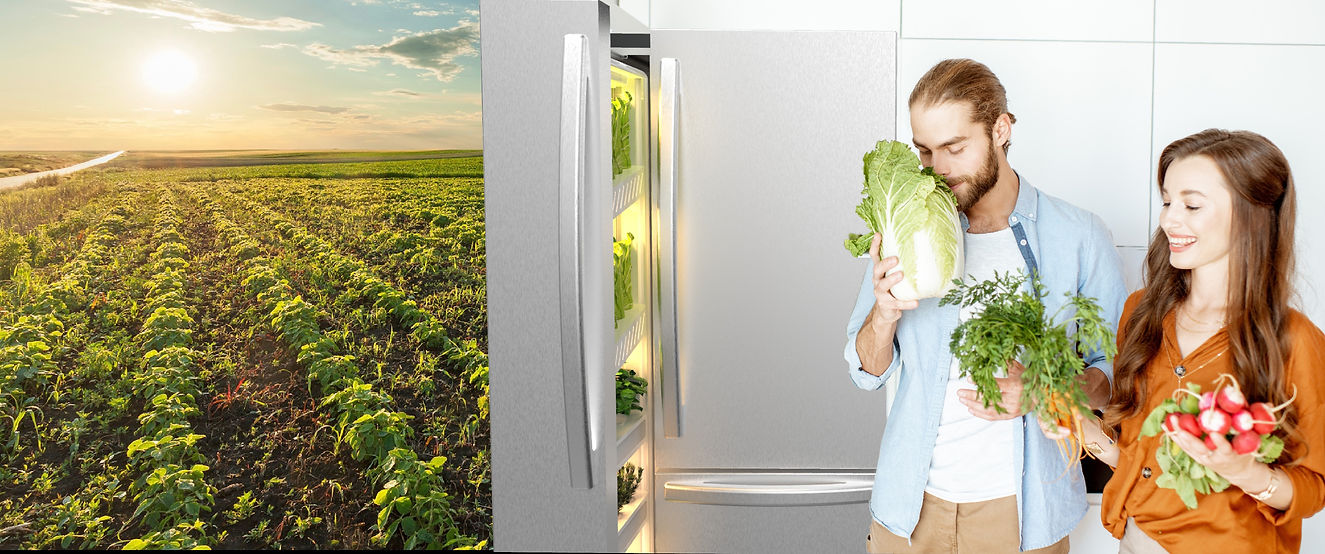
An all-in-one fridge, freezer, and farm appliance that shortens the distance from farm to table.
Process
Fable was created in a week-long design sprint called SCAD StartUp.

The Team
I had the privilege to work with two amazing young creatives on this project: Maddie Buchmann, a writing and project management expert, and Adrienne Krozack, an illustrator.

Adrienne Krozack
Illustrator

Erin Marshall
Industrial Designer

Maddie Buchmann
Writer
TimeLine
SCAD StartUp happens over the course of one week.

Concept and Technical Sketches
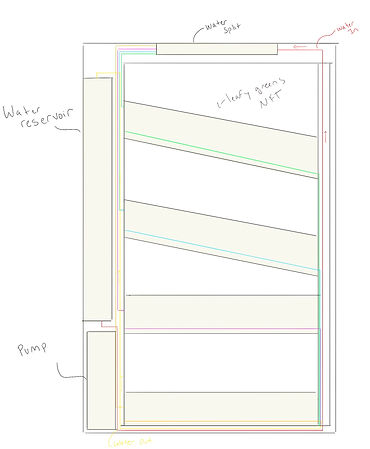
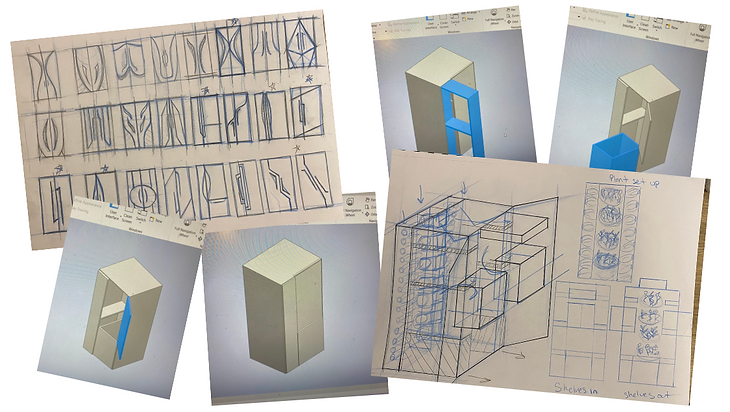
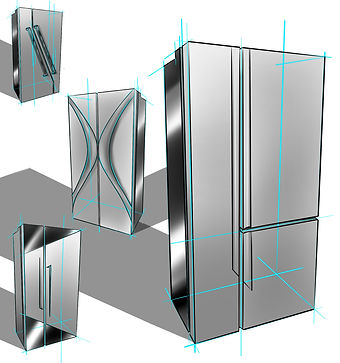
Only having a week to isolate the problem, conduct research, and create a solution does not leave a lot of time for in-depth ideation of forms. So for the first sketches, I focused on mostly function but I had a few pages of form studies for the outside of the fridge.
StartUp Presentation
This is the presentation that our team used during the final celebration on February 11th. I was responsible for all the 3D visual elements and videos.
_edited.jpg)
Concept Refinement
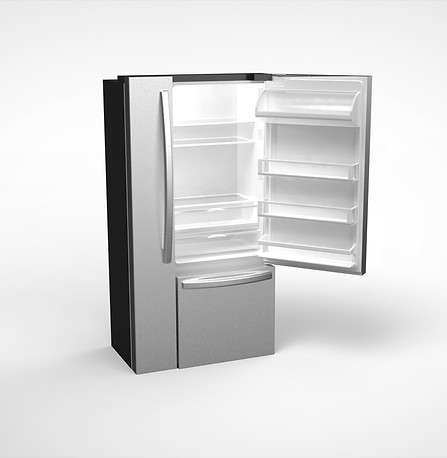
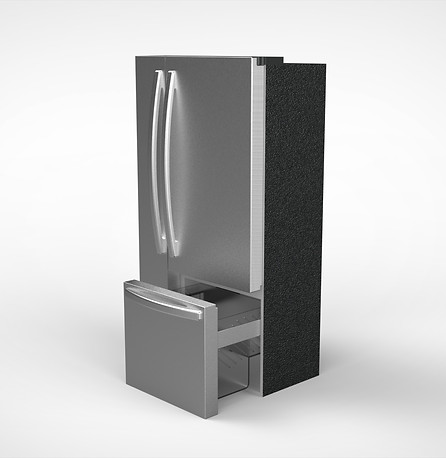
After winning SCAD StartUp and going into a business incubator for the project, Fable has been further developed as an actual Kickstarter. To do this I refined the 3D model and re-rendered some visuals.


Supplemental Visuals
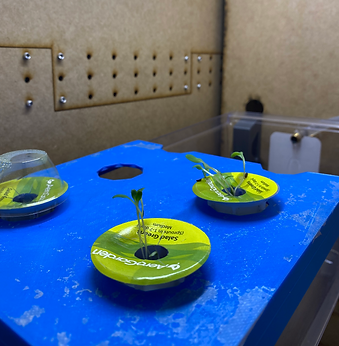
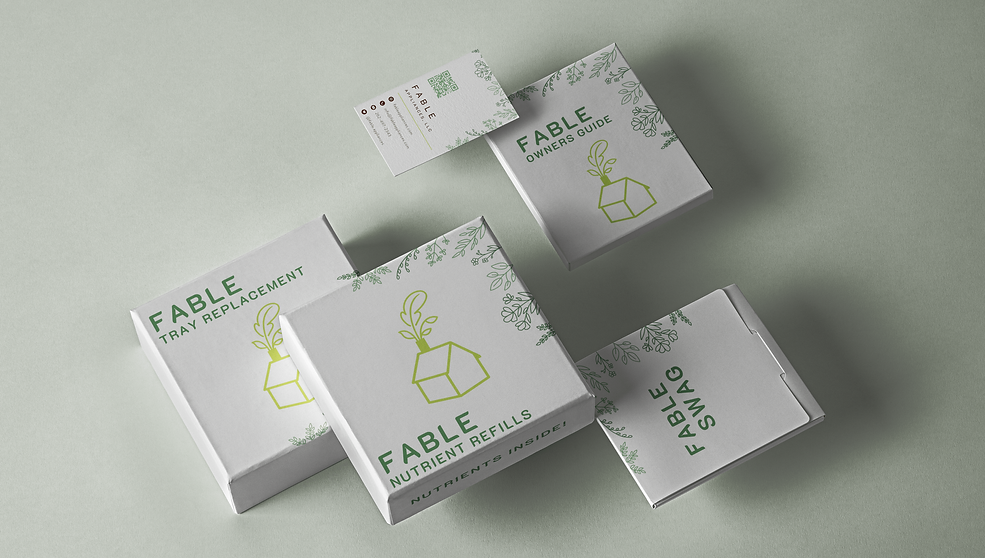
Our business Kickstarter is a product as well as a nutrient subscription service to make the water in the hydroponic grow cell beneficial to the plants and make them grow faster.
Continued Development
This is a project that is still being developed. We hope that we can get it to a level where we can partner with a company and sell Fable as an actual product. Please follow our StartUp journey through our website and other social media.
.jpg)
.png)
Refined Business Pitch
Here is a business pitch presentation that we used in a startup competition called Creative Coast FastPitch. It lays out our business strategy along with competitor analysis and cost structure.
Initial Prototyping
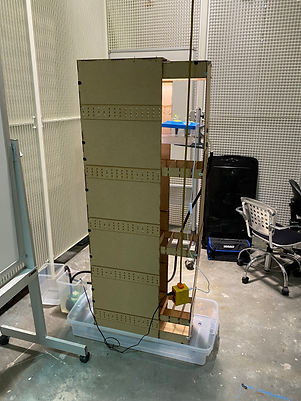
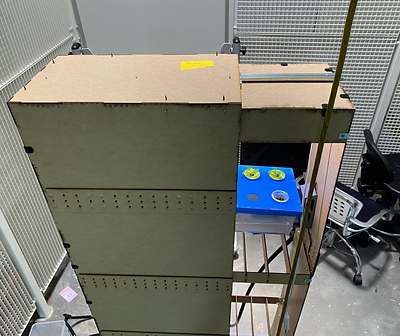
This is the first prototype of the growing cell I created. It was a quick mock up that was made completely of laser cut panels. It let us get a feel for the scale and test where the hydroponic components would be placed. We are now moving onto a prototype using a real fridge.
